Amazon is where millions of shoppers start their product searches, which makes it one of the fastest ways for a brand to reach buyers around the world. But selling on Amazon in 2026 is not just about uploading products. The sellers who win understand the fees, choose the right products, write listings that rank and use advertising wisely.
This step-by-step guide explains how to sell on Amazon as a beginner or a growing brand: how the marketplace works, what it costs, how to choose between FBA and FBM, and how to grow your sales in one country or many.
Why sell on Amazon in 2026?
The short answer is reach. Amazon says it has more than 150 million paid Prime members globally and hundreds of millions of active customer accounts worldwide. Marketplace Pulse estimates that Amazon and its sellers sold about $830 billion of goods in 2025, with independent third-party sellers responsible for around 69% of that value.
In other words, most of what people buy on Amazon now comes from businesses like yours, not from Amazon itself. That creates real opportunities:
- Built-in demand: shoppers arrive ready to buy, so you do not have to create demand from scratch.
- Trust: customers already trust Amazon’s checkout, delivery and returns.
- Logistics on tap: Fulfillment by Amazon (FBA) can store, pack and ship your orders.
- Global expansion: the same account structure can help you sell in multiple countries.
The trade-off is competition and fees, which is why planning matters before you list your first product.
How does selling on Amazon work?
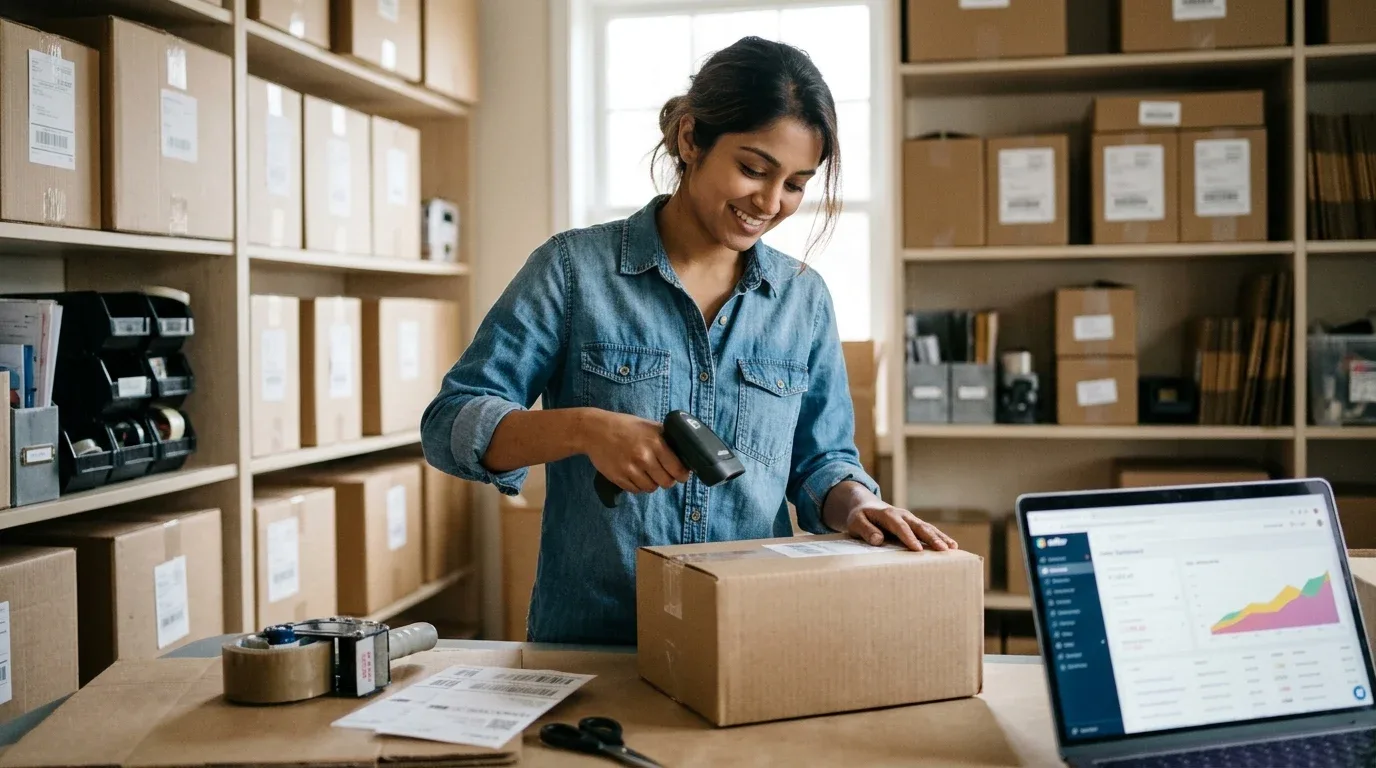
As a third-party seller, you list products in Amazon’s catalogue through Seller Central, Amazon’s seller dashboard. When a customer buys, you either ship the order yourself or Amazon ships it for you. Amazon collects the payment, deducts its fees and pays out the balance to your bank account.
There are two main ways to sell:
- Private label or your own brand: you sell products under your own brand name, which gives you more control, better margins and access to brand tools.
- Reselling existing brands: you sell products that already exist on Amazon, competing with other sellers on price, stock and service.
For long-term growth, building your own brand is usually the stronger path because you control the listing, the story and the customer experience.
How much does it cost to sell on Amazon?
Fees vary by country and category, so always check the official fee page for your marketplace. As an example, Amazon’s US pricing page lists these core costs:
| Cost | What it is | Example (Amazon US) |
|---|---|---|
| Individual plan | Pay per item sold, best for testing or very low volume | $0.99 per item sold |
| Professional plan | Monthly subscription with access to advertising, brand and bulk tools | $39.99 per month |
| Referral fee | A percentage of each sale, depending on category | Most categories 15% (with a minimum), some lower or higher |
| Fulfilment fees | Charged if you use FBA for storage, picking, packing and delivery | Depends on size, weight and storage time |
| Advertising | Optional cost-per-click ads to boost visibility | You set your own budget and bids |
Tip: before choosing a product, calculate your profit after referral fees, fulfilment fees, shipping, product cost and a realistic advertising budget. Amazon’s revenue calculator is a good starting point.
FBA or FBM: which fulfilment method is right for you?
| Method | How it works | Best for |
|---|---|---|
| FBA (Fulfillment by Amazon) | You send stock to Amazon warehouses and Amazon handles storage, delivery, returns and customer service | Fast-moving, small to medium products and sellers who want Prime eligibility and less daily work |
| FBM (Fulfilled by Merchant) | You store and ship orders yourself or through your own logistics partner | Large, slow-moving or customised items, or sellers with an existing warehouse |
Many brands use both: FBA for best sellers and FBM for bulky or low-volume products.
How do you start selling on Amazon in 8 steps?
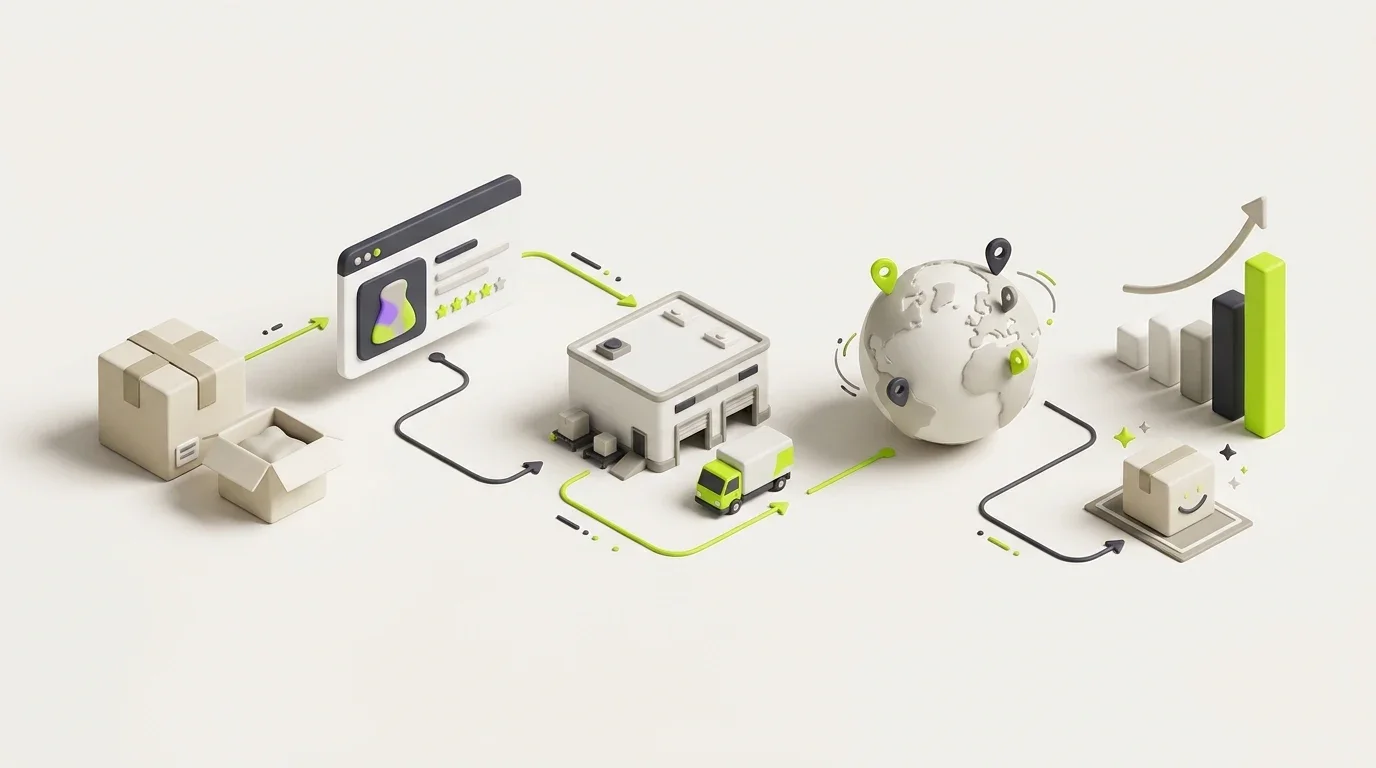
- Choose your marketplace. Start where your customers, logistics and currency make the most sense, then expand.
- Research products. Look for steady demand, manageable competition, good reviews you can beat and healthy margins after fees.
- Source and test quality. Order samples, check materials and packaging, and confirm safety or compliance rules for your category.
- Create your Seller Central account. Prepare business details, ID, bank account and tax information for verification.
- Get product barcodes and protect your brand. Use GS1 barcodes (GTINs) where required and register your trademark so you can enrol in Amazon Brand Registry.
- Build a high-converting listing. Keyword-rich title, clear bullet points, strong images and, with Brand Registry, A+ Content.
- Choose fulfilment and send stock. Set up FBA shipments or your own delivery process with realistic delivery times.
- Launch with ads and reviews. Run Sponsored Products ads, encourage genuine reviews through Amazon’s approved programmes and monitor results daily in the first weeks.
How do you find products that sell on Amazon?
Product choice decides most of your results, so spend real time here before you order stock. A good Amazon product usually ticks most of these boxes:
- Consistent demand: people search for it all year, not only during one short season or trend.
- Beatable competition: top listings have weak images, thin descriptions or reviews that mention problems you can fix.
- Healthy margins: enough profit left after product cost, shipping, Amazon fees and advertising, ideally with room to run promotions.
- Easy to ship: small, light and durable items keep fulfilment costs and damage rates low.
- Room for a brand: you can add value through better design, bundles, packaging or customer experience.
Use Amazon’s own search suggestions, best-seller lists and customer reviews, plus research tools, to validate ideas. Reading competitors’ one- and two-star reviews is one of the fastest ways to find what customers want improved.
How do you optimise your Amazon listings?
Amazon listing optimisation is SEO for the world’s biggest product search engine. Amazon’s algorithm looks at relevance (does your listing match the search?) and performance (do people click and buy?). Focus on these elements:
- Title: brand, main keyword, key features, size or quantity, written naturally within the category’s character limits.
- Bullet points: five clear benefits that answer buyers’ biggest questions, with secondary keywords included naturally.
- Images: a clean main image on a white background plus lifestyle, infographic, size and comparison images.
- A+ Content: rich visuals and brand story modules that can lift conversion for brand-registered sellers.
- Backend search terms: synonyms, alternative spellings and other languages your customers might use.
- Price and reviews: competitive pricing and a strong rating build both rank and trust.
The same principles behind our ecommerce conversion rate optimisation guide apply on Amazon: clear benefits, trust signals and an easy decision.
How do you use Amazon advertising to grow sales?
New listings rarely rank on their own. Amazon PPC (pay-per-click) gives your products visibility while you collect sales and reviews. The main ad types are:
- Sponsored Products: ads for individual products in search results and on product pages; the best place to start.
- Sponsored Brands: banner-style ads with your logo, headline and several products, available to brand-registered sellers.
- Sponsored Display: ads that retarget shoppers who viewed your products or similar items.
Start with an automatic campaign to discover search terms, move proven keywords into manual campaigns, add negative keywords to stop waste and judge results by ACoS (advertising cost of sales) and total profit, not clicks alone. If you also sell on your own website, our Google Shopping ads guide shows how to reach buyers on Google too.
How do you sell on Amazon worldwide?
Amazon runs stores in more than 20 countries across North America, Europe, the Middle East and Asia-Pacific, so international expansion is a natural next step once one marketplace is profitable. To sell globally:
- Pick markets with proven demand for your product and manageable logistics.
- Localise, do not just translate. Research keywords in each language and adapt units, sizes and images to local expectations.
- Check tax and compliance, such as VAT registration in Europe, product safety rules and labelling requirements.
- Plan logistics and currency, using FBA or local partners, and understand how payouts and currency conversion work.
- Start small and scale. Launch your best sellers first, then add more products as data proves demand.
What mistakes should new Amazon sellers avoid?
- Ignoring fees: a product that looks profitable can lose money once referral, fulfilment and ad costs are included.
- Weak images and titles: low-quality listings get fewer clicks and convert poorly.
- Running out of stock: stockouts can hurt your ranking and momentum.
- Breaking review policies: paying for or manipulating reviews can get your account suspended.
- Relying only on Amazon: build your own brand, website and email list so you own your customer relationships.
Final thoughts
Learning how to sell on Amazon in 2026 is about doing the fundamentals well: choose profitable products, understand every fee, build listings that rank and convert, use advertising to accelerate growth and expand to new marketplaces when the numbers support it. Treat Amazon as one powerful channel in a wider brand strategy, and it can become a major engine of global sales.
Want expert help launching or growing on Amazon? Explore our Amazon marketing services or contact us for a free Amazon account review.