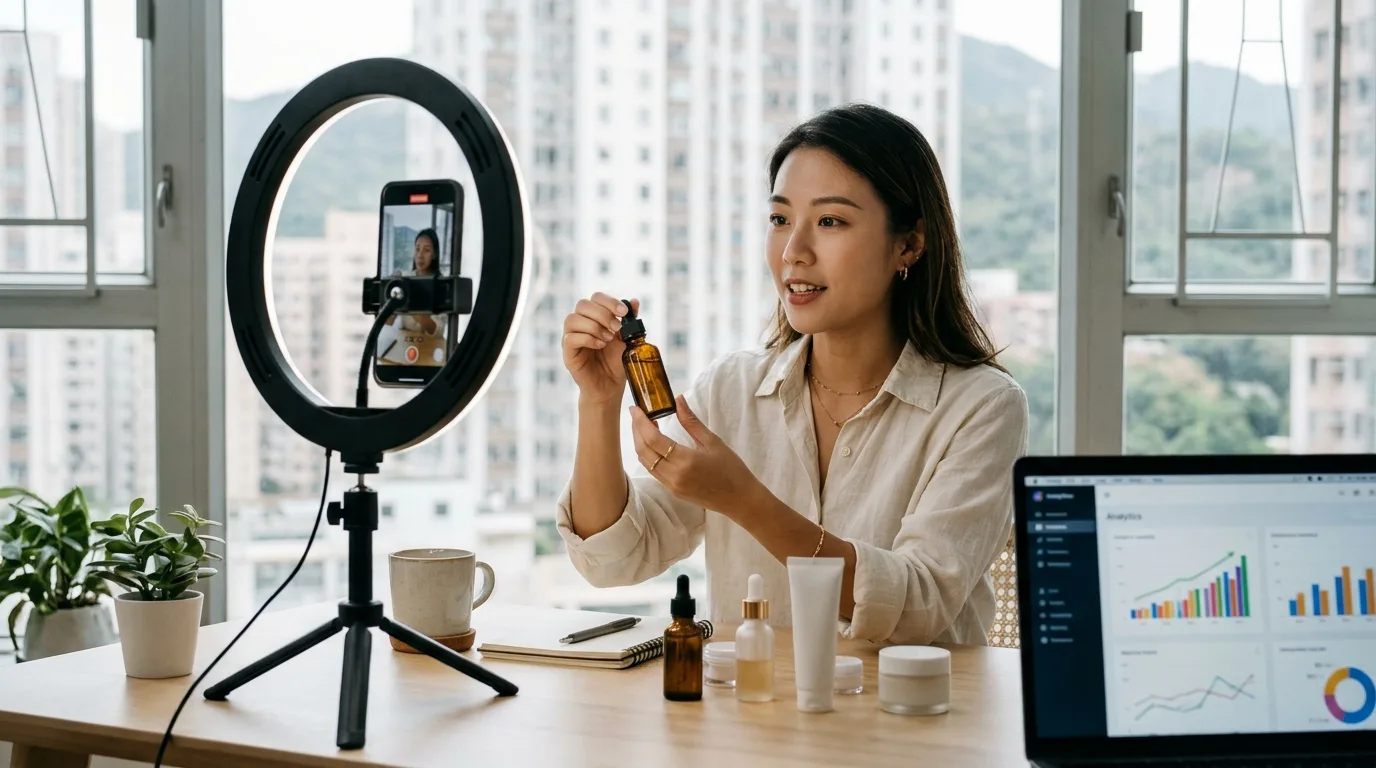
In Hong Kong, people trust people more than they trust ads. That is why KOL marketing in Hong Kong (key opinion leaders, or influencers) has become one of the fastest ways for brands to win attention, build trust and drive sales, if it is planned like a performance channel and not like a popularity contest.
This guide explains how the creator tiers differ, which platforms to use, what to pay, the legal points to watch and the 7-step influencer marketing plan we use to make every campaign measurable.
What is KOL marketing?
KOL marketing is when a brand partners with a key opinion leader, a creator with an engaged audience in a niche, to introduce, review or recommend its products. In Hong Kong the terms “KOL” and “influencer” are used almost interchangeably, and the creator could be anyone from a beauty YouTuber with a million subscribers to a foodie with 3,000 loyal followers on Instagram or Xiaohongshu.
Done well, a KOL campaign gives you three things at once: reach (new people see your brand), trust (a real person vouches for it) and content (photos and videos you can reuse in your ads, website and product pages).
Why does KOL marketing work in Hong Kong?
Hong Kong is a dense, mobile-first market where word of mouth spreads fast. DataReportal’s Digital 2026: Hong Kong report counted 6.24 million social media user identities, equal to 84.4% of the population. Most buying journeys now include a scroll through Instagram, YouTube or Xiaohongshu before anyone visits a shop or website.
Trust is the real driver. In Digital Business Lab’s 2026 Xiaohongshu survey of Hong Kong consumers, respondents trusted other users’ content most (52.9%), followed by KOL and influencer content (24.7%), with brand-led content last (22.4%). In other words, creator content and real customer reviews now carry more weight than your own posts.
- Borrowed trust: a recommendation from a creator people follow feels like advice from a friend.
- Faster discovery: creators put your product in front of audiences you could not reach organically.
- Better content: authentic videos and photos that often outperform studio ads.
- Search visibility: creator posts on Xiaohongshu and YouTube keep getting found long after the campaign ends.
Nano, micro or macro: which KOLs should you use?
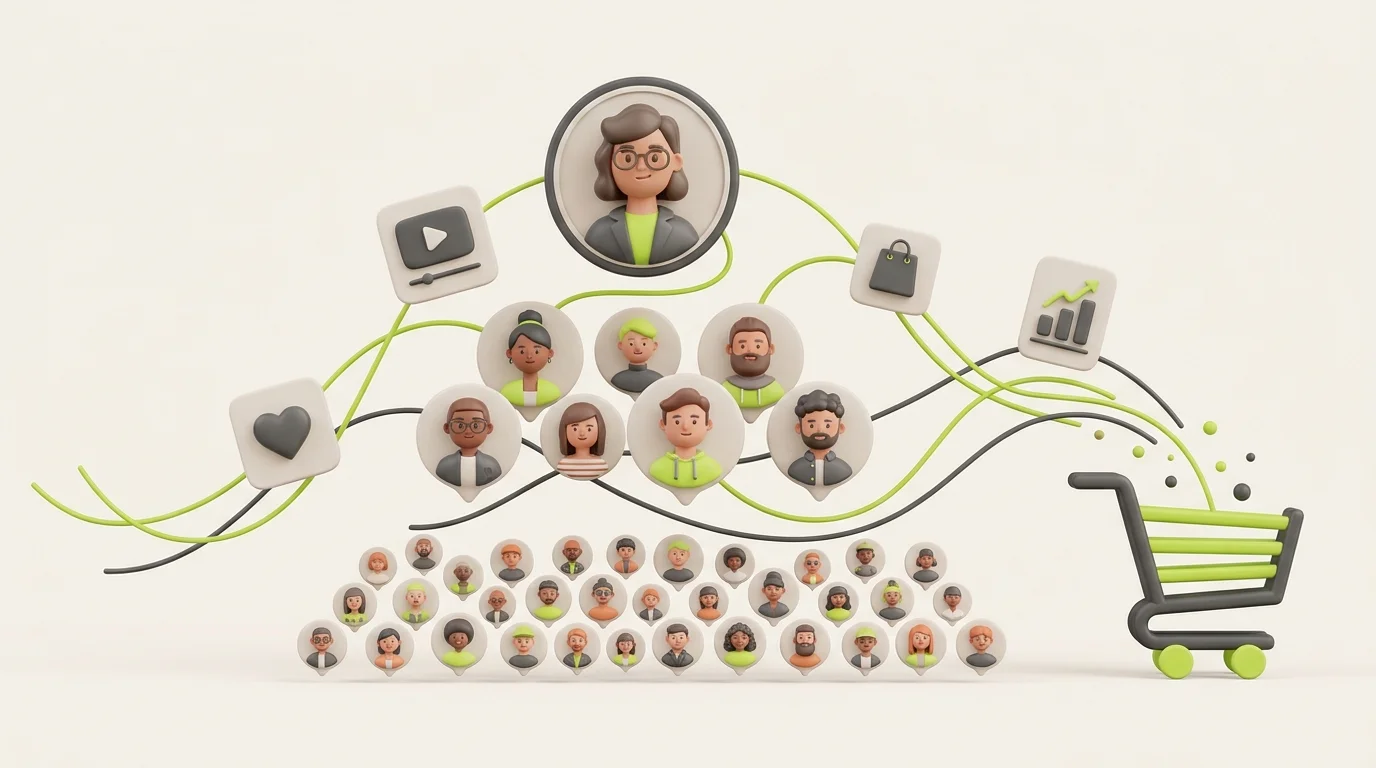
Bigger is not always better. Smaller creators often have closer relationships with their followers and higher engagement, while bigger names bring reach and prestige. Most profitable campaigns mix tiers:
| Creator tier | Typical followers | Best for |
|---|---|---|
| Nano KOL | 1,000–10,000 | Local trust, high engagement, product seeding, UGC at scale |
| Micro KOL | 10,000–100,000 | Niche authority, strong cost per sale, reviews and tutorials |
| Macro KOL | 100,000–1M | Launches, broad awareness, credibility for new brands |
| Celebrity / mega | 1M+ | Mass reach and brand image, usually with a bigger budget |
Our rule of thumb: for most small and mid-sized Hong Kong brands, a group of 10–30 nano and micro KOLs beats one big name on cost per sale, because you get more content, more voices and more chances to find a winning creator.
Which platforms work best for KOL campaigns in Hong Kong?
- Instagram: Reels and Stories for fashion, beauty, food and lifestyle, with link stickers and branded content tags.
- YouTube: long reviews and Shorts for tech, education, travel and higher-priced products where people research first.
- Xiaohongshu (RED): search-driven “notes” that people use to compare products; a 2026 survey found around 62% of Hong Kong residents use it.
- Facebook: community pages and groups that still reach families and audiences over 30.
- Threads and WhatsApp: conversation and private communities where creators share offers and codes.
Read our social media marketing in Hong Kong guide for a full platform-by-platform breakdown.
How do you run a KOL campaign in 7 steps?
- Set one measurable goal. Sales, sign-ups, bookings or app installs, plus the target cost per result.
- Define your ideal customer. Age, district, language, interests and the creators they already follow.
- Shortlist creators by fit, not fame. Check audience location (Hong Kong vs overseas), real engagement, past brand work and whether their style suits yours.
- Write a clear, short brief. Key message, must-say facts, do’s and don’ts, deadlines, disclosure rules and the call to action, while leaving creators free to speak in their own voice.
- Agree terms in writing. Deliverables, posting dates, usage rights for ads, exclusivity, payment and approval steps.
- Track everything. Give each KOL a unique discount code and UTM link so you can see exactly who drives sales.
- Amplify the winners. Turn the best-performing creator videos into paid ads (whitelisting or Spark-style ads) and rebook the creators who sell.
How much does KOL marketing cost in Hong Kong?
KOL fees vary widely with follower count, platform, content type, usage rights and exclusivity. Instead of starting from a creator’s rate card, start from your numbers: how much is one customer worth, and what can you afford to pay to win one? Then plan the budget across four areas:
| Budget area | Suggested share | What it covers |
|---|---|---|
| Creator fees | 50–60% | Paid posts, videos and product reviews |
| Paid amplification | 20–30% | Running top creator content as ads |
| Product seeding | 10–15% | Free products for nano KOLs and gifting campaigns |
| Tracking and management | 5–10% | Discount codes, links, contracts and reporting |
Tip: ask for usage rights to repost creator content in your ads. Proven creator videos often become your lowest-cost ad creative.
What are the influencer marketing rules in Hong Kong?
Hong Kong has no single law written only for influencers, but general consumer protection law applies. The Trade Descriptions Ordinance, enforced by the Customs and Excise Department, prohibits false or misleading descriptions of goods and services, and serious breaches can lead to heavy fines and prison terms. Misleading claims can also lead to civil claims under the Misrepresentation Ordinance.
- Be honest about claims: no exaggerated health, beauty, financial or “before and after” promises.
- Disclose partnerships clearly: use platform tools such as Instagram’s “Paid partnership” label and add #ad or #sponsored.
- Check regulated products: health supplements, cosmetics, finance and crypto carry extra risk and may have their own rules.
- Keep records: save briefs, approvals and the facts you gave creators to show you took reasonable care.
This is general information, not legal advice; for regulated products, check with a Hong Kong lawyer before launching.
How do you measure KOL marketing ROI?
Followers and likes are vanity metrics on their own. Judge every creator on the numbers that connect to revenue:
- Engagement rate: comments, saves and shares compared with followers or views.
- Clicks and code redemptions: how many people acted on each creator’s link or discount code.
- Cost per acquisition: total creator cost divided by the customers they brought in.
- Return on investment: revenue from the campaign compared with total spend, including product and fees.
- Content value: how well the creator content performs when reused in your ads.
What KOL marketing mistakes should Hong Kong brands avoid?
- Choosing by follower count only: fake or overseas followers will not buy from a Hong Kong shop.
- Over-scripting: content that sounds like an ad loses the trust you are paying for.
- One-off posts: long-term partnerships build more trust and sales than a single mention.
- No tracking: without codes and links you cannot tell which creators worked.
- Ignoring disclosure: hidden ads damage your reputation and can create legal risk.
Final thoughts
KOL marketing in Hong Kong works best when it is treated like any other performance channel: clear goals, the right creators, honest content, proper tracking and smart amplification. Start small with a group of nano and micro KOLs, learn what sells and scale the winners.
Want help finding the right creators? Explore our influencer marketing services or contact us for a free KOL campaign plan.